
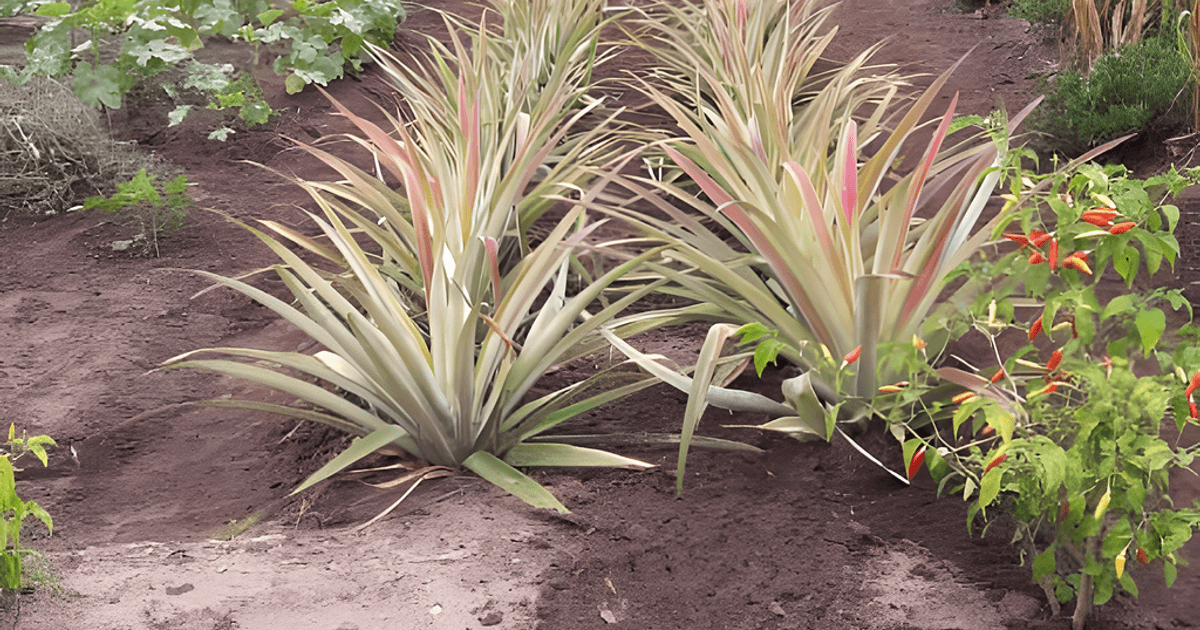
Agritourism is one of the fastest-growing travel categories in East Africa — and Tanzania is one of its most compelling destinations. The country has extraordinary agricultural diversity: coffee highlands around Kilimanjaro, spice farms on Zanzibar, sisal estates in the coastal belt, and banana groves stretching across the volcanic soils of the interior.
But one of the most accessible and genuinely rewarding agritourism experiences in Tanzania sits not on a famous island or inside a national park. It sits on the hinterland of Tanga city — and most visitors drive straight past it.
Tanga Banana Garden is a uniquely organic working farm offering guided farm tours, Tanga coffee tasting, cultural walks, and open green spaces for families and school groups. This guide covers what agritourism in Tanzania looks like when it is done honestly — and why the farm on the northern coast deserves to be on your list.
🇹🇿 Agritourism Tanzania ni uzoefu wa kutembelea mashamba ya kweli na kujifunza jinsi mazao yanavyolimwa. Tanga Banana Garden inatoa ziara za shamba, kuonja kahawa, na matembezi ya utamaduni — Ni shambani halisi, si mahali pa watalii tu. Maji safi na salama yanapatikana shambani.
What Is Agritourism — and Why Tanzania?
Agritourism is the practice of visiting working farms as a tourist experience — not as a packaged show, but as genuine access to real agricultural operations. At its best, agritourism connects visitors with the people who grow their food, the land that produces it, and the cultural systems that have evolved around it over generations.
Tanzania is an ideal context for agritourism because agriculture is the backbone of the country's economy and its daily life. Unlike destinations where farming has been separated from tourism by distance and development, in Tanzania the farm is never far away. Understanding how food grows here in Tanga Banana Garden means understanding the country itself.
For travellers tired of passive sightseeing — where you look but do not engage — agritourism/volunteering in Tanzania offers a genuinely different kind of travel.
What Grows at Tanga Banana Garden
Bananas
Bananas are the farm's signature crop and the one most immediately visible to visitors. Multiple varieties, including the Cavendish variety, grow across the groves, each with different flavour profiles, growth patterns, and uses. A guided tour explains the differences between varieties and the farming practices that keep the groves healthy organically — no synthetic pesticides, no artificial fertilisers.
For most visitors, this is the first time they have stood inside a working banana grove. The scale, the shade, and the smell are surprising in the best possible way.
Coffee
Tanga coffee is genuinely underappreciated. The coastal climate and altitude around Tanga produce beans with a distinct character — lighter and more aromatic than the heavy highland coffees of Kilimanjaro and Arusha. At the farm, visitors taste the difference directly, prepared by the farmers who grew the beans, in the same garden where the plants are still growing.
The coffee experience is the most sensory part of any farm visit — and the part most visitors say they remember longest.
Spices
The spice plants are a highlight, particularly for visitors with a background in cooking or an interest in the coastal Swahili food culture that shaped this part of Tanzania. Common spices grown at the farm include those used in traditional coastal cuisine — and the guide explains their culinary uses alongside their agricultural requirements.
Seasonal Tropical Fruits & Fresh Produce
The farm also produces seasonal tropical fruits, and visitors can often taste or purchase fresh produce directly on site. Buying organic farm products in Tanga — spices, coffee, and fresh fruits — supports the local farmers directly and takes home something genuinely from the land you visited.
The Guided Farm Tour: What to Expect
The guided farm tour is the core of any visit to Tanga Banana Garden. It is not a performance or a curated tourist experience. It is a real walk through a working farm, guided by people who know the land intimately.
What the Tour Covers
• Walking routes through banana, coffee, and spice groves
• Explanation of organic farming methods and crop management
• Hands-on moments — touching, smelling, and sometimes tasting the crops
• Practical farming questions answered directly by local farmers
• Understanding the economics of small-scale organic agriculture in Tanzania
• For school groups: adapted educational content aligned to science and geography curricula
How Long Does It Take?
Most visitors spend between three and five hours on the farm, combining the guided tour with a coffee tasting experience, time in the garden, and a cultural walk if desired. There is no rigid schedule — the pace adapts to the group.
Is It Suitable for Children?
Yes. The farm is one of the most genuinely child-friendly agritourism experiences in Tanzania. Safe paths for able bodied and physically challenged children, engaged guides, and the novelty of seeing real crops growing make it naturally appealing for children. Parents consistently find it more rewarding than a standard park visit.
🇹🇿 Ziara ya shamba ni uzoefu wa kweli wa kutembelea shamba linalofanya kazi — si mchezo wa watalii. Watoto wanaweza kuona, kugusa na kujifunza jinsi ndizi, kahawa na viungo vinavyolimwa kwa njia ya kikaboni.
Agritourism for Different Kinds of Visitors
Eco Travellers & Sustainable Tourism Enthusiasts
For travellers specifically interested in sustainable tourism in Tanzania, Tanga Banana Garden offers exactly the kind of experience that is genuinely rare on the Tanzanian coast. Most eco tourism in Tanzania is focused on safari, wildlife and the beach. A working organic fruit farm with guided access is a different proposition — and a more directly educational one.
The farm's commitment to organic methods, community employment, and low-impact land use makes it a credible destination for travellers who care about where their tourism impact goes.
School Groups & Educational Visits
Tanga Banana Garden has become a reliable destination for local school trips in Tanga Tanzania. The farm offers practical agricultural education that no classroom can replicate — children see, touch, smell, and taste the things they might otherwise only read about. Teachers report that the experience opens up discussions about ecology, food systems, local history, and community economics.
The farm is experienced with school visits and can adapt the guided tour to different age groups and curriculum needs. Advanced booking is strongly recommended for groups.
Gap Year Travellers & Agricultural Volunteers
Tanga Banana Garden welcomes inquiries from gap year travellers, agricultural students, and volunteers and backpackers interested in sustainable farming, community work, and agritourism in beautiful Tanzania. The farm represents an opportunity to contribute meaningfully to a working agricultural community while learning and sharing practical skills.
Those searching for farm volunteering in Africa, work exchanges, or agricultural internships in Tanzania are encouraged to contact the farm directly.
Day Trippers from Tanga City
You do not need to be a tourist to visit. Many of the farm's most enthusiastic visitors are Tanga residents who want somewhere green to spend a Saturday, a place to take visiting family, or simply a break from the city that does not require hours of travel.
Sustainability: How the Farm Works
Tanga Banana Garden uses organic farming methods. Water management, composting, and natural pest control are all part of the daily operation. Biodiversity is actively supported — the mix of crops, the shade structures of the banana groves, and the uncultivated green spaces all contribute to a farm ecosystem that supports more than just the target crops.
Economically, the farm employs local people and buys locally. Every visitor contributes directly to Tanga's agricultural community — This is the model of responsible rural tourism that development organisations talk about, made practical in one accessible place; Tanga.