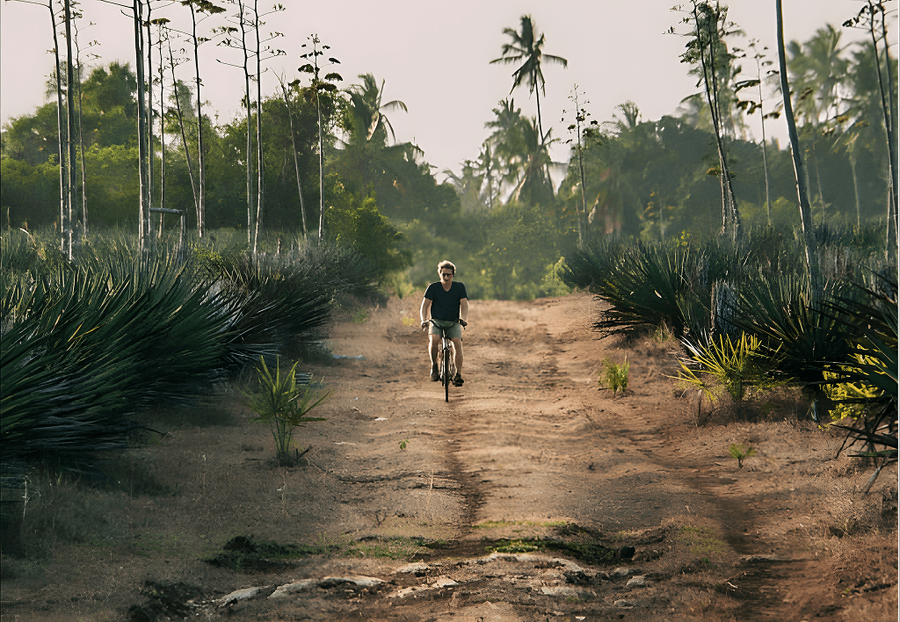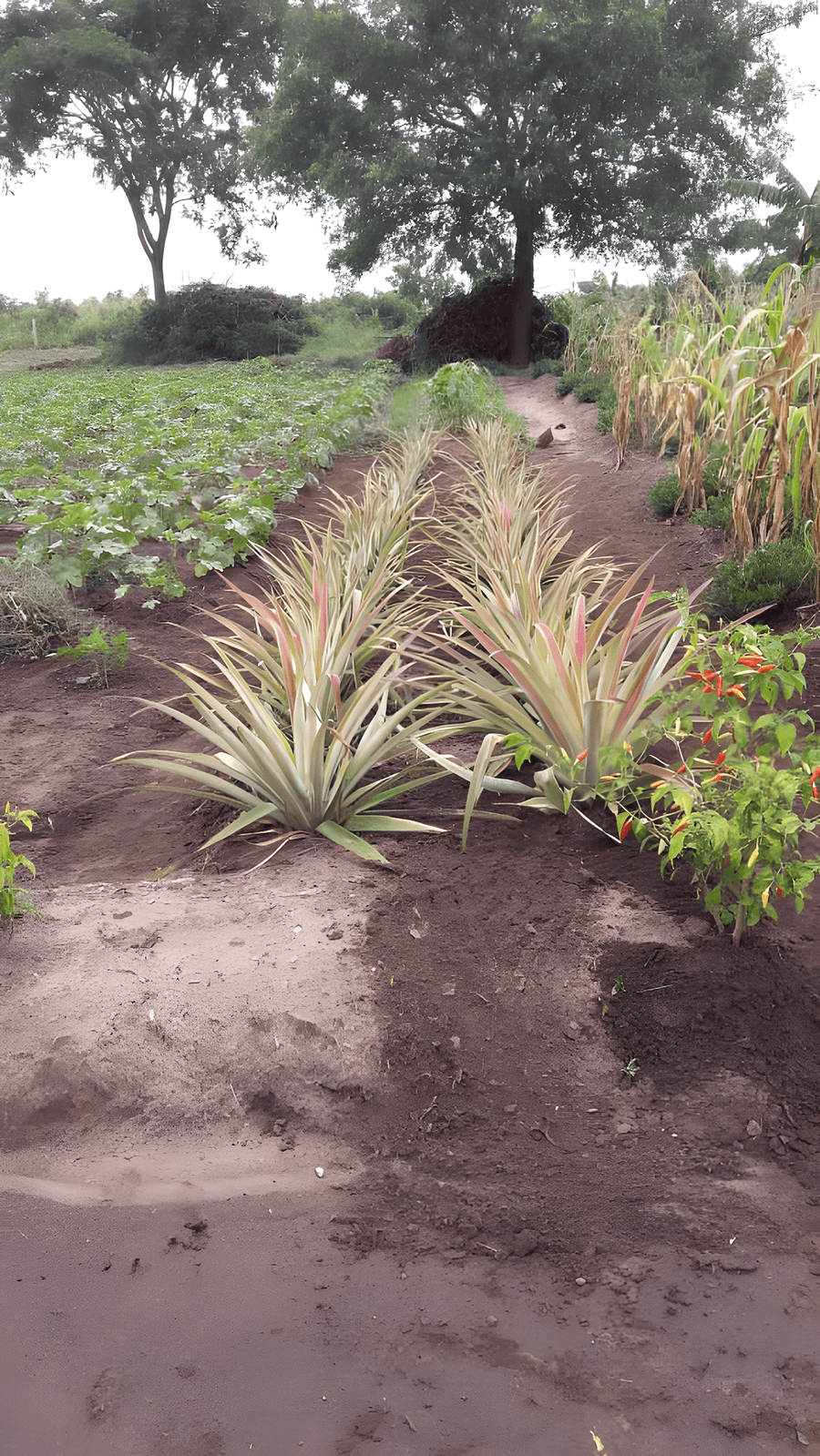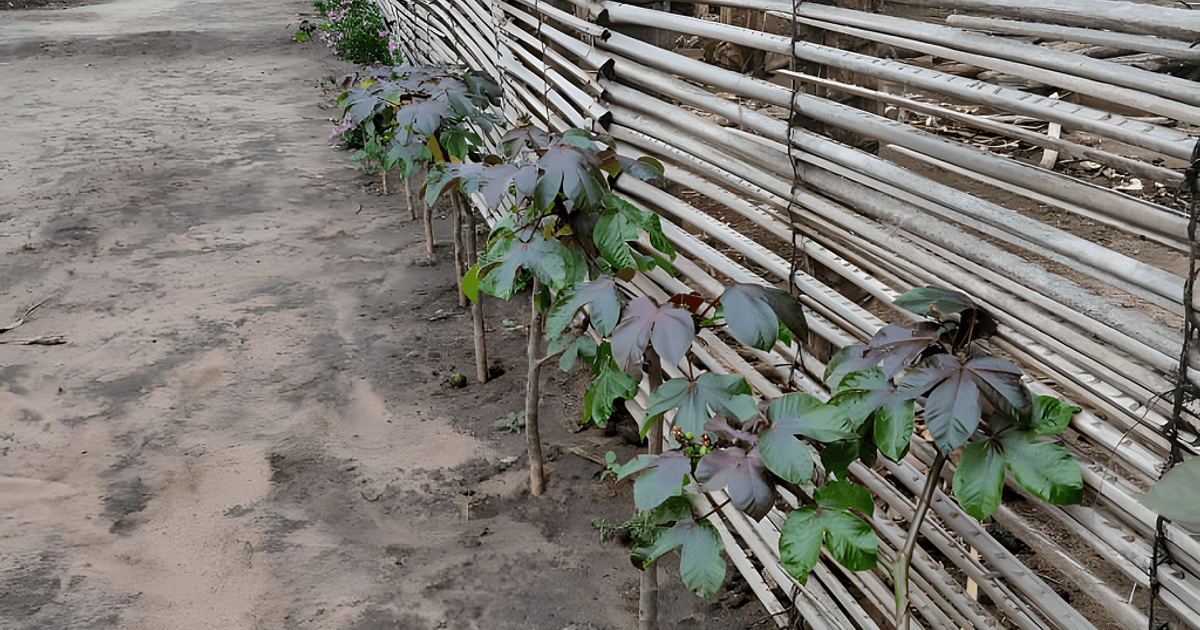
Tanga Banana Garden is not one thing. It is a working organic farm, an outdoor classroom, a picnic destination, a gap year placement, and a sustainable tourism experience — all on the same piece of land, within easy reach of Tanga city.
This guide covers four groups who consistently find Tanga Banana Garden exactly what they were looking for: school groups planning educational farm visits, gap year travellers and agricultural volunteers, families looking for the best outdoor and picnic spots near Tanga, and eco-conscious travellers who want to know their tourism spending goes somewhere real.
🇹🇿 Tanga Banana Garden inafaa makundi mengi tofauti: shule, wajitoleaji wa gap year, familia zinazotafuta sehemu nzuri ya picnic, na wasafiri wanaotaka utalii endelevu wa kweli karibu na mji wa Tanga.
School Trips in Tanga: The Outdoor Classroom That Works
Tanga Banana Garden has become one of the most reliable school trip destinations in the Tanga region — and for good reason. It offers what most educational visits promise but rarely deliver: a genuinely hands-on, multi-sensory learning experience that connects directly to what children study in the classroom.
What Schools Learn at the Farm
The guided farm tour at Tanga Banana Garden covers agricultural biology, organic farming methods, food systems, ecology, and community economics — all in the context of a real working farm that children can walk through, touch, smell, and interact with directly.
• Crop biology: the growth cycle of bananas, coffee plants, and spice varieties
• Organic farming: what it means to grow without synthetic chemicals, and why
• Food systems: where food comes from, how it is processed, and how it reaches people
• Local ecology: how the farm ecosystem supports biodiversity beyond the target crops
• Community economics: how local employment, sustainable farming, and tourism interact
• Cultural context: the relationship between the farm and the wider Tanga community
How the Visit Is Structured
The farm adapts the guided tour to different age groups and curriculum themes. A typical school visit includes a guided walk through the working groves, a question-and-answer session with local farmers, a demonstration of crop processing (including the coffee roasting and tasting element), and free time in the open garden areas.
Teachers consistently report that the visit opens up classroom discussions that continue for weeks afterward — about ecology, food, community, and what it means to grow something from seed.
Practical Notes for Schools
Group size: The farm accommodates groups of all sizes. Contact us in advance for large school parties.
Age groups: The experience is adapted for different ages — from primary school to university level.
Booking: School visits should be booked at least 48 hours in advance. Call or WhatsApp 0702 666773.
Cost: Group pricing available — contact us directly for current rates.
Duration: Most school visits last 2–4 hours depending on the programme.
🇹🇿 Shamba linafaa sana kwa makundi ya shule. Watoto wanaweza kuona jinsi ndizi, kahawa na viungo vinavyolimwa, kugusa mazao halisi, na kujifunza kuhusu kilimo cha kikaboni — uzoefu ambao darasa haliwezi kutoa.
Gap Year Tanzania: Volunteering on an Organic Farm
Tanzania is one of the most compelling gap year destinations in Africa. It has extraordinary natural landscapes, a vibrant and welcoming culture, Swahili as an accessible entry point for language learning, and an agricultural sector that offers genuinely meaningful opportunities for people who want to contribute rather than just observe.
Tanga Banana Garden is open to inquiries from gap year travellers, agricultural students, farm volunteering candidates, and anyone interested in a practical engagement with sustainable farming and community agritourism in Tanzania.
What a Gap Year or Volunteer Placement Looks Like
Placements are arranged individually based on the visitor's background, interests, and availability. Typical activities might include working alongside the farm team in day-to-day agricultural tasks, assisting with guided visitor tours, supporting the coffee processing operation, and contributing to community outreach and educational programmes.
This is not a structured volunteer holiday programme with pre-packaged activities. It is a real working farm — and the most valuable contributions come from people who are genuinely curious, practically minded, and willing to learn by doing.
Who This Is For
• Gap year students between school and university looking for a meaningful agricultural placement in East Africa
• Agricultural students seeking practical field experience on an organic farm in Tanzania
• University students studying ecology, food systems, international development, or sustainable agriculture
• Career changers or professionals interested in agritourism, sustainable food, or community development in Africa
• Farm volunteering candidates searching for a credible, community-embedded placement rather than a tourist programme
How to Apply
Contact Tanga Banana Garden directly to discuss your background, the dates you have available, and what you are hoping to contribute and learn. The farm does not work through third-party volunteer agencies — placements are arranged directly.
Contact: Call or WhatsApp 0702 666773 · tanga.farms@gmail.com
🇹🇿 Tanga Banana Garden inakaribisha wajitoleaji wa gap year, wanafunzi wa kilimo, na wakufunzi wanaotaka uzoefu wa vitendo wa kilimo endelevu Tanzania. Wasiliana moja kwa moja — hakuna wakala wa kati.
Best Picnic Spots Near Tanga City: The Farm Outdoors
Finding a genuinely good outdoor space near a Tanzanian city is harder than it should be. Most parks are underinvested. Most green spaces close to urban centres are noisy, crowded, or simply not designed for a relaxed day out.
Tanga Banana Garden is different. The farm has shaded rest areas, open green lawns, and the kind of calm that is increasingly hard to find anywhere near a city. It is consistently described by visitors as the best outdoor day-out option near Tanga — not because of anything elaborate, but because of what it simply offers: space, shade, fresh air, and the feeling of being genuinely away from the city even though you are not far from it.
What Families Do at the Farm
• Guided farm tour with children — seeing real crops growing for the first time
• Picnic in shaded rest areas using the farm's open green spaces
• Children's exploration of safe, open farm areas with natural features to discover
• Tanga coffee tasting for adults while children explore
• Purchase of fresh organic produce — fruits, spices, and coffee — to take home
• Cultural walk for families interested in the surrounding village and community
Why It Works for Families
The farm is not designed as a children's entertainment venue. But it works extremely well for families precisely because it does not try to be one. Children engage naturally with a real working environment — the scale of the banana groves, the smell of the spice plots, the novelty of seeing food growing — in ways that a themed attraction cannot replicate.
Parents consistently report that the farm visit is easier, more memorable, and more rewarding than a standard park outing. There is enough for children to discover, and enough space and shade for adults to rest.
Sehemu Nzuri ya Picnic Karibu na Tanga
Tanga Banana Garden ina maeneo ya kupumzika yenye kivuli, nyasi za wazi, na hewa safi — moja ya sehemu nzuri zaidi za picnic na matembezi karibu na mji wa Tanga. Unaweza kuja na chakula chako au kununua mazao mapya ya kikaboni moja kwa moja shambani.
🇹🇿 Shamba ni sehemu nzuri ya picnic karibu na Tanga — yenye kivuli, nyasi za wazi, na watoto wanaweza kucheza salama huku wazazi wakipumzika na kustarehe.
Sustainable Tourism Tanzania: Why the Farm Matters
The sustainable tourism conversation in Tanzania tends to focus on safari — carbon offsets, low-impact lodges, anti-poaching contributions, wildlife corridor funding. These are important. But they address one specific corner of what sustainable travel can mean.
Tanga Banana Garden represents a different model: sustainable agriculture as the foundation of sustainable tourism. The farm does not need to offset its environmental impact because its daily operation — organic methods, local employment, biodiversity support, low-input land management — is itself the environmental contribution.
How the Farm Operates
• Sustainable organic methods within the farm
• Water harvesting & management and composting as core daily operations
• Natural pest control integrated into the farm ecosystem
• Biodiversity actively supported through crop diversity and uncultivated green spaces
• Local employment: all farm staff are from the Tanga community
• Direct economic benefit to the local agricultural community from every visitor
• Bee keeping to help with pollination.
What Your Visit Contributes
Every visitor who comes to Tanga Banana Garden contributes directly to the Tanga agricultural community.
This is what responsible rural tourism looks like in practice. Not a certification or a label, but a direct farming ecosystem between visitor and community that development organisations spend years trying to create through programmes. Here it simply happens, naturally, because of the way the farm is structured.